


Quality care from quality experts
MOBILE MENTAL HEALTH TREATMENT (MMHT) SERVICE
Allied Comfort N Care Outpatient Mental Health Clinic provides
Mobile Mental Health Treatment (MMHT) as an extension of its licensed psychiatric outpatient clinic services in accordance with 55 Pa. Code Chapter 5200, Pennsylvania Medical Assistance regulations, Community Behavioral Health (CBH) requirements, and Office of Mental Health and Substance Abuse Services (OMHSAS) guidelines.
- +1 (267) 388-3212
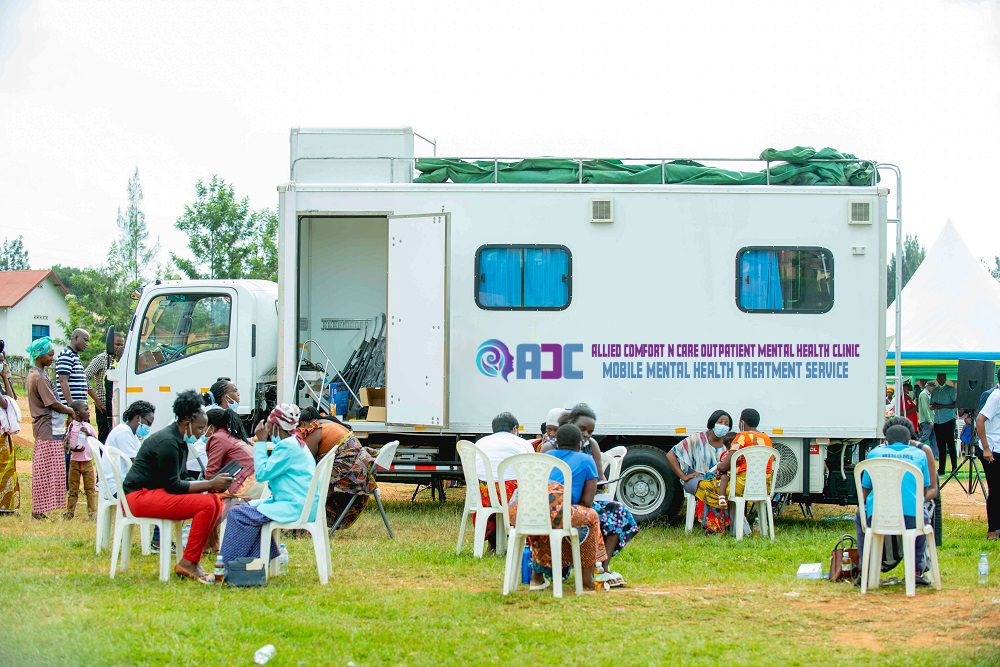
PROGRAM OVERVIEW
MMHT provides medically necessary mental health treatment services to individuals who encounter barriers to accessing traditional clinic-based outpatient services. Services are delivered in the least restrictive environment to promote recovery, improve treatment engagement, reduce psychiatric crises, and prevent unnecessary hospitalization. The program operates under the supervision of the Clinical Director and Medical Director and is integrated into the clinic’s overall outpatient treatment model.
POPULATION SERVED
Allied Comfort N Care anticipates serving approximately 50–150 individuals annually through Mobile Mental Health Treatment services.
The program serves adults age 21 and older who meet medical necessity criteria for outpatient psychiatric treatment and who experience one or more of the following barriers:
Medical Barriers
• Physical disabilities
• Chronic medical conditions
• Limited mobility
• Homebound status
• Medical conditions affecting transportation
Psychiatric Barriers
• Severe anxiety disorders
• Agoraphobia
• Major depressive disorder
• Bipolar disorder
• Schizophrenia spectrum disorders
• Post-traumatic stress disorder
• Psychiatric symptoms limiting clinic participation
Psychosocial Barriers
• Housing instability
• Caregiver responsibilities
• Transportation limitations
• Social isolation
• Significant environmental stressors
• Difficulty engaging in clinic-based treatment
SERVICE LOCATIONS
MMHT services may be provided in clinically appropriate community-based settings, including:
• Private residences
• Senior housing communities
• Assisted living facilities
• Shelters and transitional housing programs
• Schools (where clinically appropriate)
• Community centers
• Churches and faith-based organizations
• Community meeting rooms
• Other approved community locations
All service locations must ensure client confidentiality, privacy, and safety
PROGRAM GOALS
The goals of MMHT include:
Goal 1
Increase access to mental health treatment for individuals unable to participate in clinic-based services.
Goal 2
Reduce psychiatric hospitalizations and crisis interventions.
Goal 3
Improve treatment engagement and retention.
Goal 4
Increase medication adherence and treatment compliance.
Goal 5
Promote recovery, independence, and community integration.
Goal 6
Transition individuals to clinic-based services when barriers are reduced or eliminated.
SERVICES PROVIDED
The following medically necessary outpatient services may be delivered through MMHT:
- Psychiatric Evaluations
Comprehensive psychiatric assessments conducted by qualified practitioners to evaluate mental health conditions, establish diagnoses, and determine treatment recommendations.
- Medication Management
Medication evaluations, monitoring, education, and medication adjustment services provided by qualified medical professionals.
- Individual Therapy
Evidence-based psychotherapy designed to address emotional, behavioral, and psychiatric concerns.
- Family Therapy
Therapeutic interventions focused on improving communication, family functioning, and support systems.
- Group Therapy
Structured therapeutic groups designed to improve coping skills, emotional regulation, and recovery outcomes.
- Psychoeducation
Education regarding mental illness, medications, symptom management, relapse prevention, and recovery strategies.
- Post-Crisis Stabilization
Follow-up services provided after psychiatric crises, emergency room visits, or inpatient psychiatric hospitalization.
- Care Coordination
Coordination with primary care providers, hospitals, behavioral health providers, community agencies, family members, and support systems.
STAFFING COMPONENTS
Medical Director
The Medical Director provides psychiatric oversight for all MMHT services and is responsible
for:
• Clinical oversight
• Psychiatric consultation
• Treatment plan review
• Assessment review
• Medical necessity determinations
• Quality assurance oversight
Clinical Director
The Clinical Director supervises program operations and ensures compliance with regulatory and clinical requirements.
Responsibilities include:
• Staff supervision
• Clinical case review
• Documentation oversight
• Quality improvement activities
• Staff training
Mental Health Professionals
Services may be provided by:
• Psychiatrists
• Psychiatric Mental Health Nurse Practitioners
• Licensed Professional Counselors (LPC)
• Licensed Clinical Social Workers (LCSW)
• Licensed Marriage and Family Therapists (LMFT)
• Qualified Mental Health Professionals
Mental Health Workers
Mental Health Workers may provide services within the scope permitted under applicable regulations and under appropriate supervision.
Community Health Workers
Community Health Workers provide non-clinical support services including:
• Care coordination
• Appointment reminders
• Resource linkage
• Outreach and engagement support
• Navigation of community services
Community Health Workers do not provide clinical or therapeutic services.
ASSESSMENT PROCESS
Prior to enrollment in MMHT, an assessment shall be completed by a qualified Mental Health Professional.
The assessment shall evaluate:
• Psychiatric diagnosis
• Current symptoms
• Functional limitations
• Medical barriers
• Psychiatric barriers
• Psychosocial barriers
• Treatment history
• Risk factors
• Appropriateness for MMHT
A physician order for MMHT shall be obtained before services begin.
The Medical Director or supervising psychiatrist shall review assessments and treatment recommendations in accordance with applicable regulations and standards of care.
CLINICAL SUPERVISION
All MMHT services are supervised by the Clinical Director and Medical Director.
Clinical supervision activities include:
• Case consultation
• Treatment plan review
• Documentation review
• Staff supervision meetings
• Clinical quality monitoring
• Psychiatric consultation
Staff shall have access to supervisory support during all community-based service delivery activities.
STAFF SAFETY PROTOCOLS
Allied Comfort N Care maintains policies and procedures to ensure the safety of staff while delivering services in community settings.
Safety measures include:
• Staff check-in/check-out procedures
• Emergency communication procedures
• Supervisor availability during field visits
• Incident reporting procedures
• Environmental safety assessments
• Crisis response protocols
• Emergency service coordination
Staff shall not provide services in locations determined to be unsafe.
DOCUMENTATION REQUIREMENTS
The medical record shall contain:
• Psychiatric diagnosis
• Physician order for MMHT
• Documentation of medical necessity
• Initial assessment
• Individualized treatment plan
• Progress notes
• Treatment plan reviews
• Discharge documentation
Progress notes shall include:
• Date of service
• Service location
• Service type
• Duration of service
• Clinical interventions
• Client response
• Progress toward goals
Treatment plans shall be reviewed and updated every 120 days or every 15 visits, whichever occurs first.
MEDICAL NECESSITY CRITERIA
MMHT services are provided only when medically necessary.
Documentation must support that the individual:
1. Meets criteria for outpatient psychiatric treatment; and
2. Has a medical, psychiatric, or psychosocial condition that impairs or prevents participation in clinic-based services; and
3. Agrees to participate in treatment.
MMHT services shall not be provided solely for convenience or as a substitute for transportation.
TRANSITION AND DISCHARGE
MMHT is intended to be a short-term intervention designed to address barriers to treatment.
Discharge from MMHT shall occur when:
• Treatment goals are achieved
• Barriers have been resolved
• The individual successfully transitions to clinic-based services
• The individual requests discharge
• Medical necessity criteria are no longer met
• The individual is unable to engage in treatment despite documented efforts
QUALITY ASSURANCE
Mobile Mental Health Treatment services are incorporated into Allied Comfort N Care’s Quality Assurance and Performance Improvement Program.
Program monitoring includes:
• Treatment engagement rates
• Client satisfaction
• Psychiatric hospitalization rates
• Crisis service utilization
• Documentation compliance
• Treatment outcomes
• Timeliness of services
Quality improvement activities are reviewed quarterly by clinic leadership.
COMPLIANCE STATEMENT
Allied Comfort N Care Outpatient Mental Health Clinic provides Mobile Mental Health Treatment services in accordance with:
• 55 Pa. Code Chapter 5200
• Pennsylvania Medical Assistance Regulations
• OMHSAS Mobile Mental Health Treatment Guidelines
• Community Behavioral Health Requirements
• Applicable Federal and State Confidentiality Laws
All services are medically necessary, clinically appropriate, properly documented, and delivered by qualified professionals under appropriate clinical supervision.
Why choose us
Focusing on you, with the best therapeutic care.
Choose Allied Comfort N Care for compassionate, personalized support, expert care, and a commitment to your mental wellness journey.
Confidentiality
Your privacy is our priority—confidentiality is at the core of everything we do.
Reliability
Count on us for consistent, dependable care tailored to your needs.
Support 24/7
Providing round-the-clock support to ensure you're never alone on your journey to wellness.

